





A Tapestry of Time in Birgu
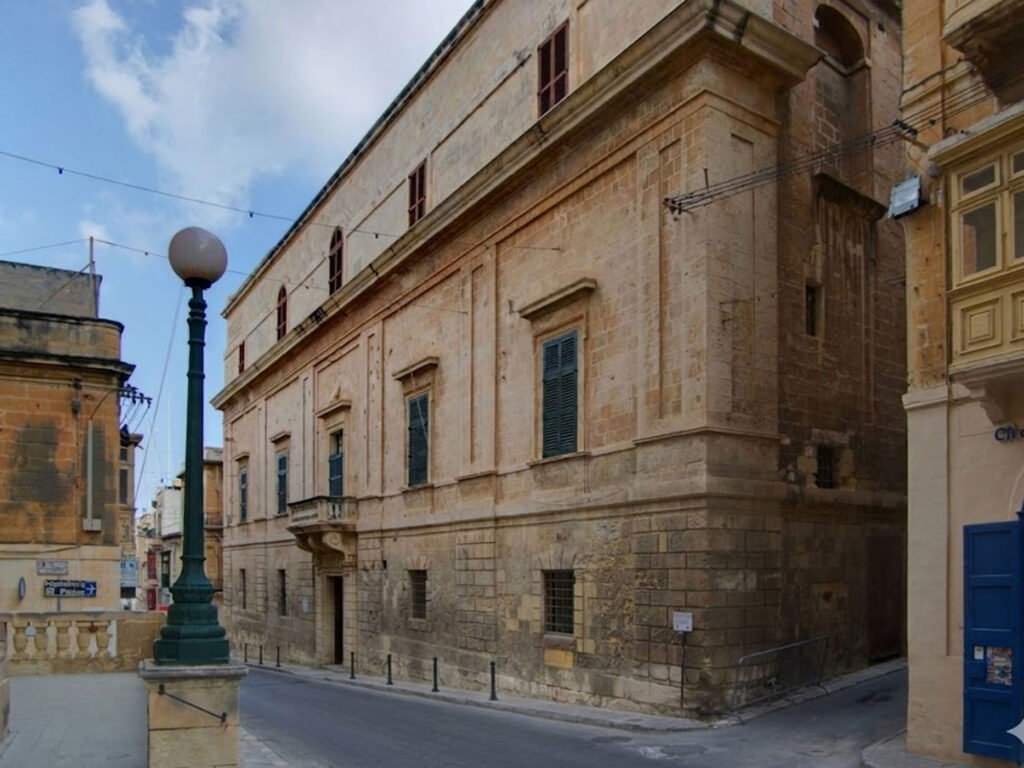
Tucked within the narrow stone streets of Birgu stands an architectural rarity. The Inquisitor’s Palace is one of the few surviving structures of its kind in the world.
Originally serving as a civil courthouse in the early sixteenth century, the building evolved into a labyrinth of Gothic, Renaissance, and Baroque influences. Today, this preserved monument offers a profound source of inspiration for modern interior aesthetics.
Grounded Elegance and Earthy Tones
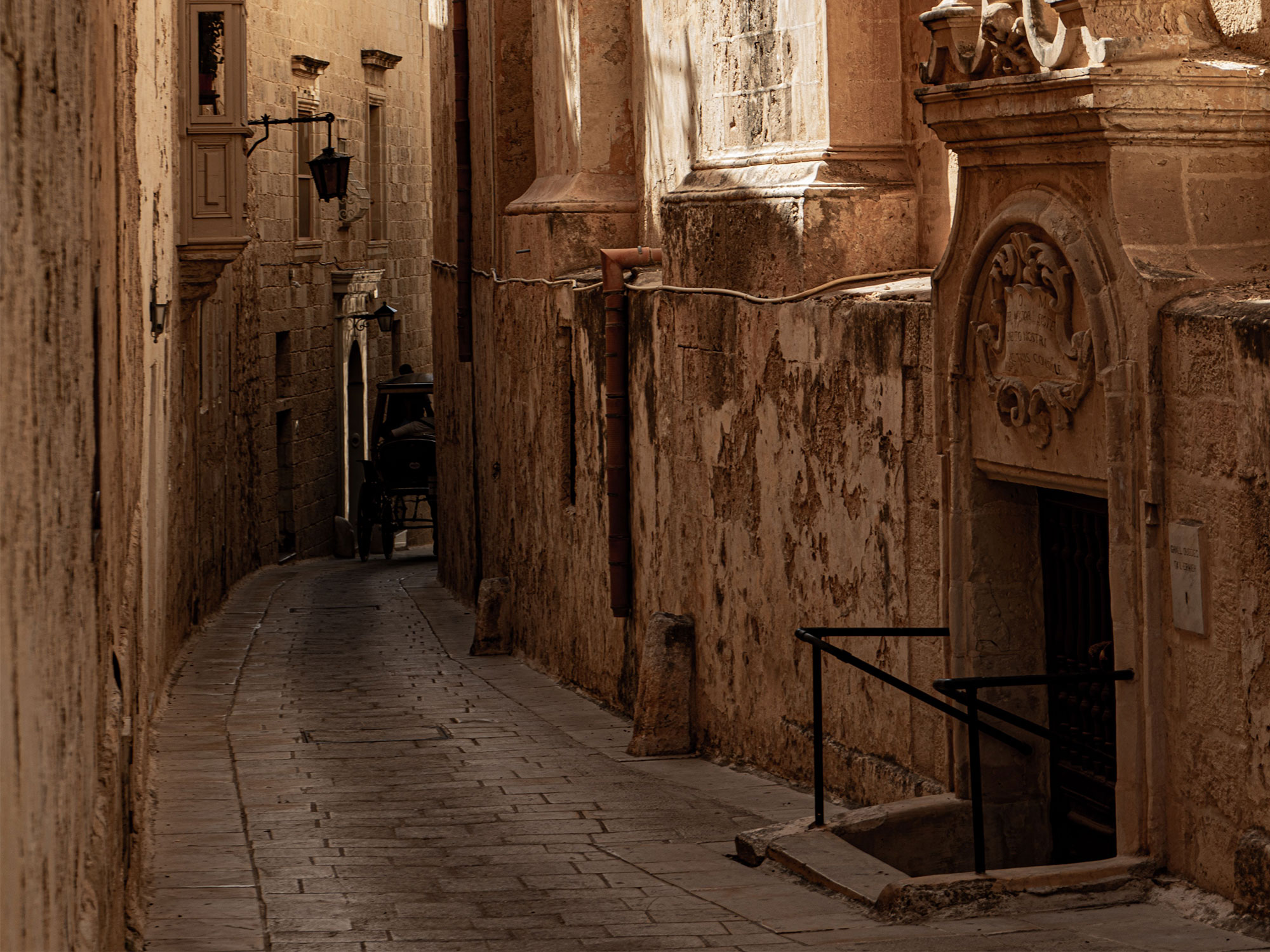
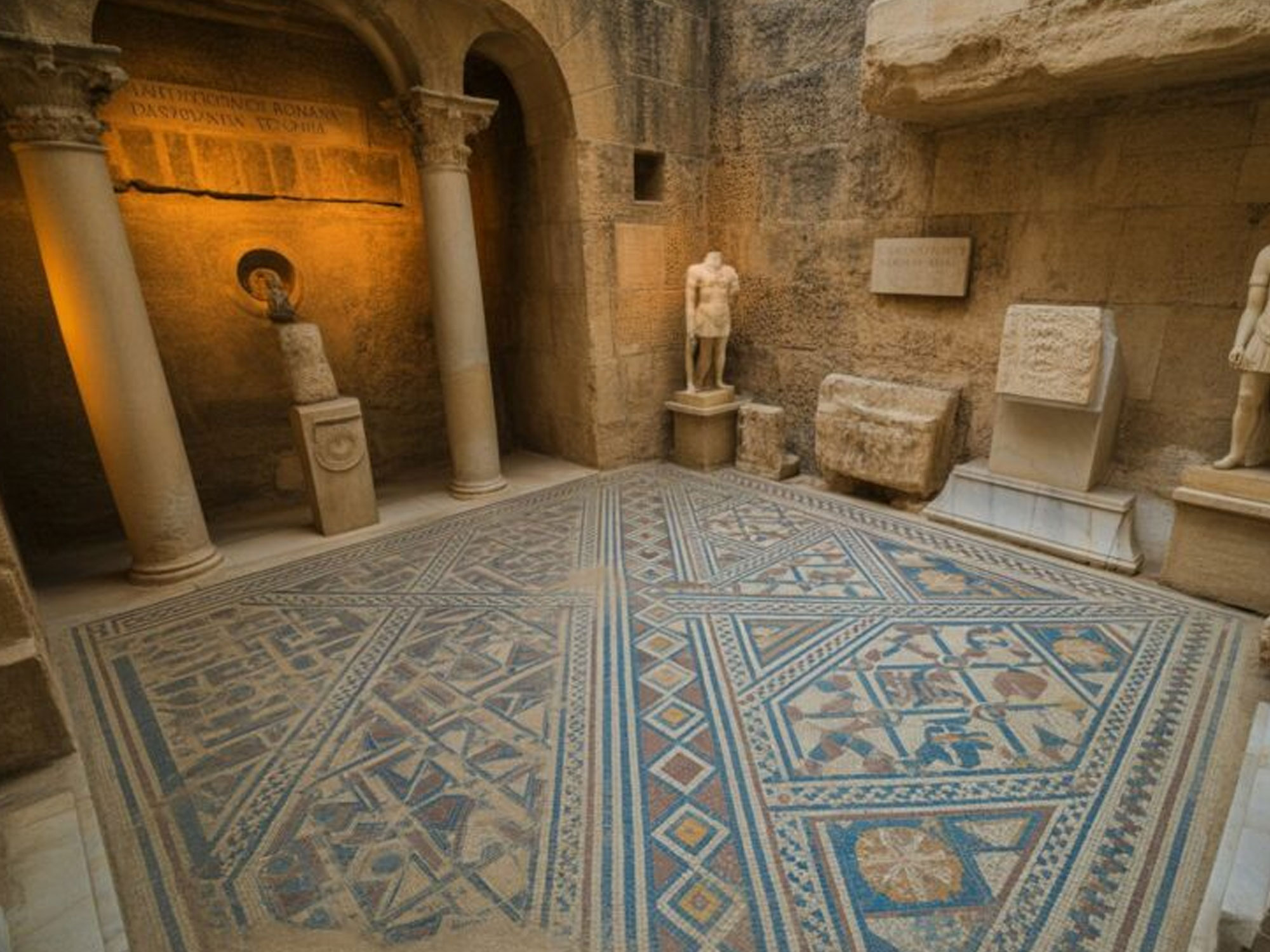
The foundation of the palace rests on the natural beauty of Maltese globigerina limestone. This warm and honeyed stone dictates the primary visual language of the space. In contemporary residential design, adopting these earthy and sunlit shades creates an atmosphere of grounded tranquility.
Selecting wall colors in soft limestone beige or exposing natural masonry allows the bright Mediterranean daylight to diffuse gently across a room. The result is a calming environment that feels intrinsically tied to the local geography.
Rich Accents from a Clerical Past
Beyond the pale stonework, the historical significance of the building introduced darker and more authoritative tones to the inner chambers. Faded cardinal reds, deep ochre pigments, and dark walnut wood finishes reflect the clerical importance of the original residents. Incorporating these specific hues into modern living spaces adds an element of cultured sophistication.
A single statement piece of dark wooden furniture or heavy and rich textiles can anchor a room with quiet gravity. These darker accents prevent a neutral room from feeling sterile.
Embracing Shadow and Light
The structural layout of the Birgu landmark teaches a valuable lesson in spatial atmosphere. Thick walls, internal courtyards, and vaulted stone ceilings naturally orchestrate a careful balance between brilliant sunlight and deep shadow. Modern homeowners can replicate this soothing environment by moving away from harsh overhead lighting.
Utilizing ambient lamps, textured fabrics, and matte finishes helps to absorb light rather than reflect it aggressively. Embracing the natural shadows of a room cultivates a space meant for restful contemplation rather than constant stimulation.
Maltese architecture often requires practical adaptations to climate and history. Heavy wooden shutters and terracotta floor tiles served practical cooling purposes while adding to the aesthetic richness of the property. Integrating similar traditional materials into a modern home bridges the gap between historical necessity and contemporary comfort.
Bringing History Home
Drawing design inspiration from local heritage sites is never about building a museum replica. It involves observing the enduring appeal of authentic materials, careful craftsmanship, and architectural restraint.
By studying how historical spaces balance monumental scale with human comfort, decorators can craft homes that feel both elegant and deeply connected to local history. The aesthetics of the past provide a perfect blueprint for a serene and thoughtful modern lifestyle.