





A Masterclass in Stone and Scale
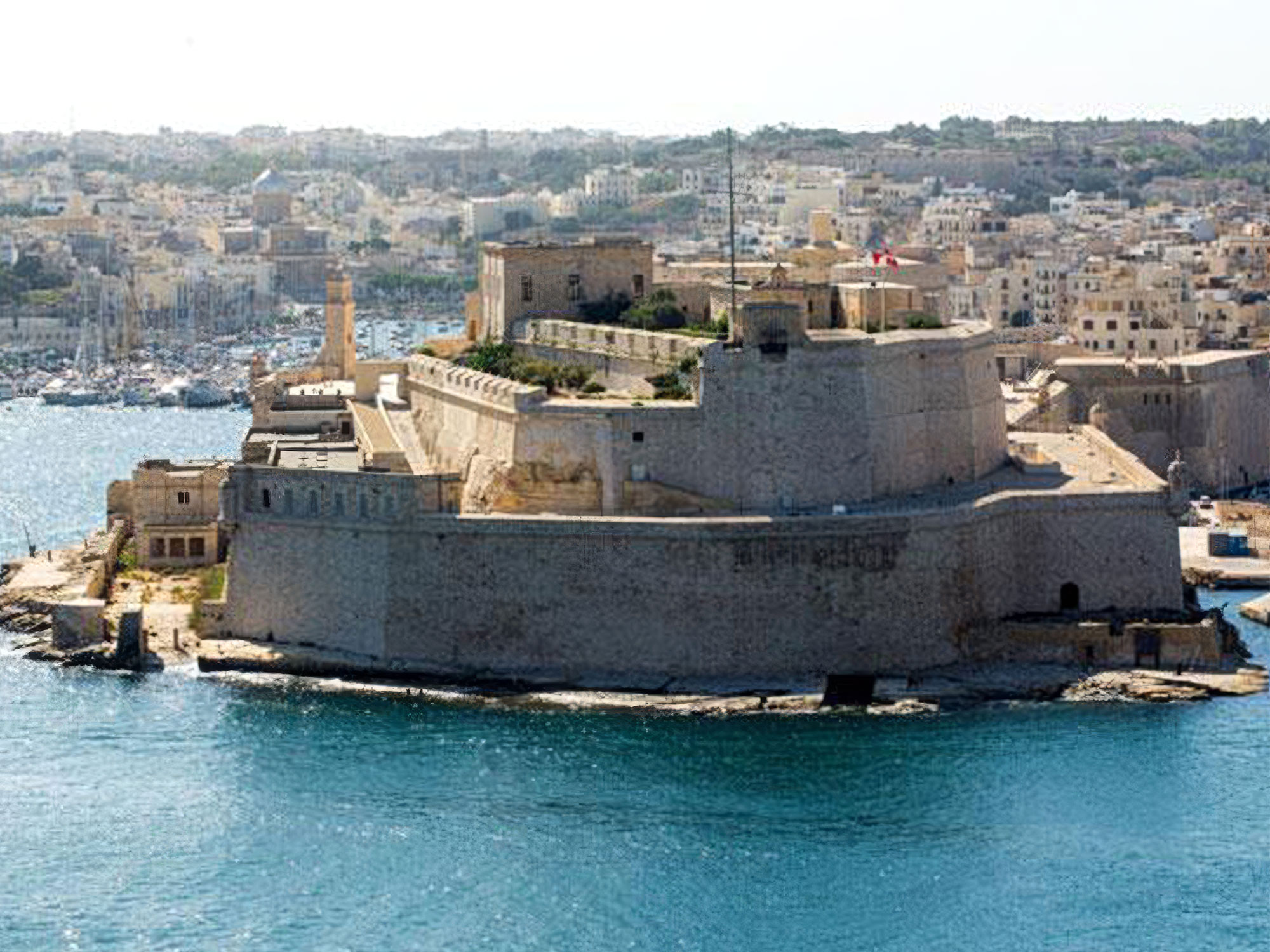
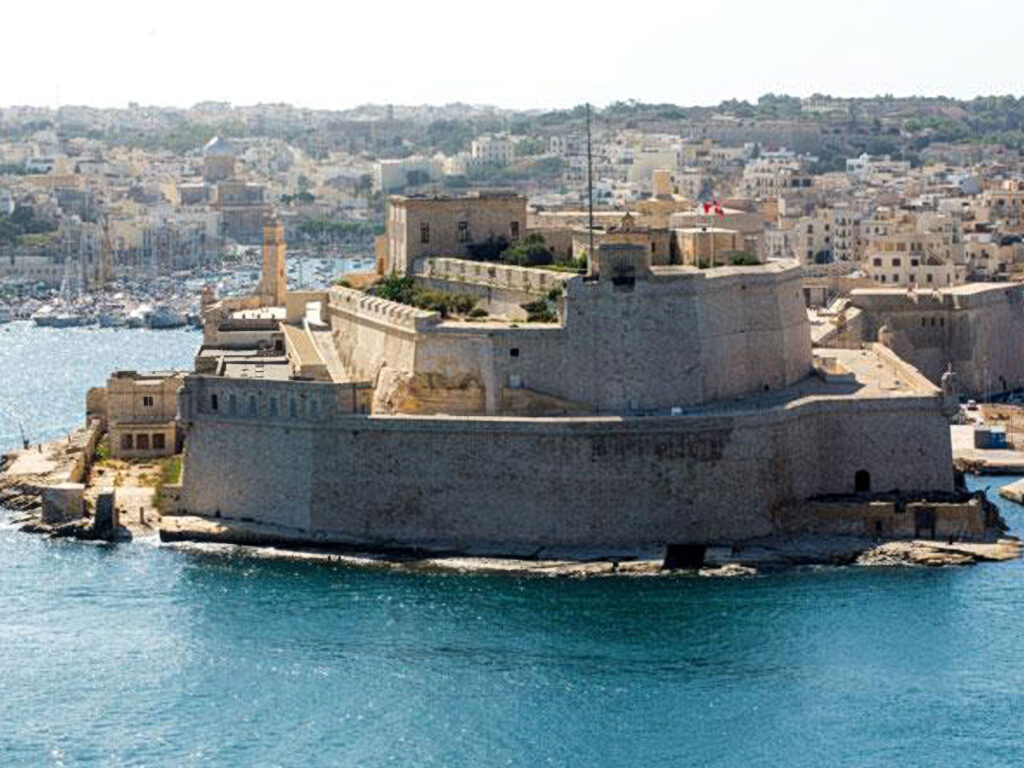
Fort St. Angelo stands as a quiet sentinel over the Grand Harbour and anchors the historic city of Birgu. Its limestone bastions and medieval vaulted halls carry centuries of architectural wisdom. Beyond its military past, the fort offers a brilliant blueprint for spatial design.
Local interior architects are increasingly looking to this imposing structure as a foundation for contemporary residential spaces. The thick walls and sweeping archways provide a deep well of inspiration for crafting homes that feel both grounded and elegant.
Translating Fortress Aesthetics into Living Spaces
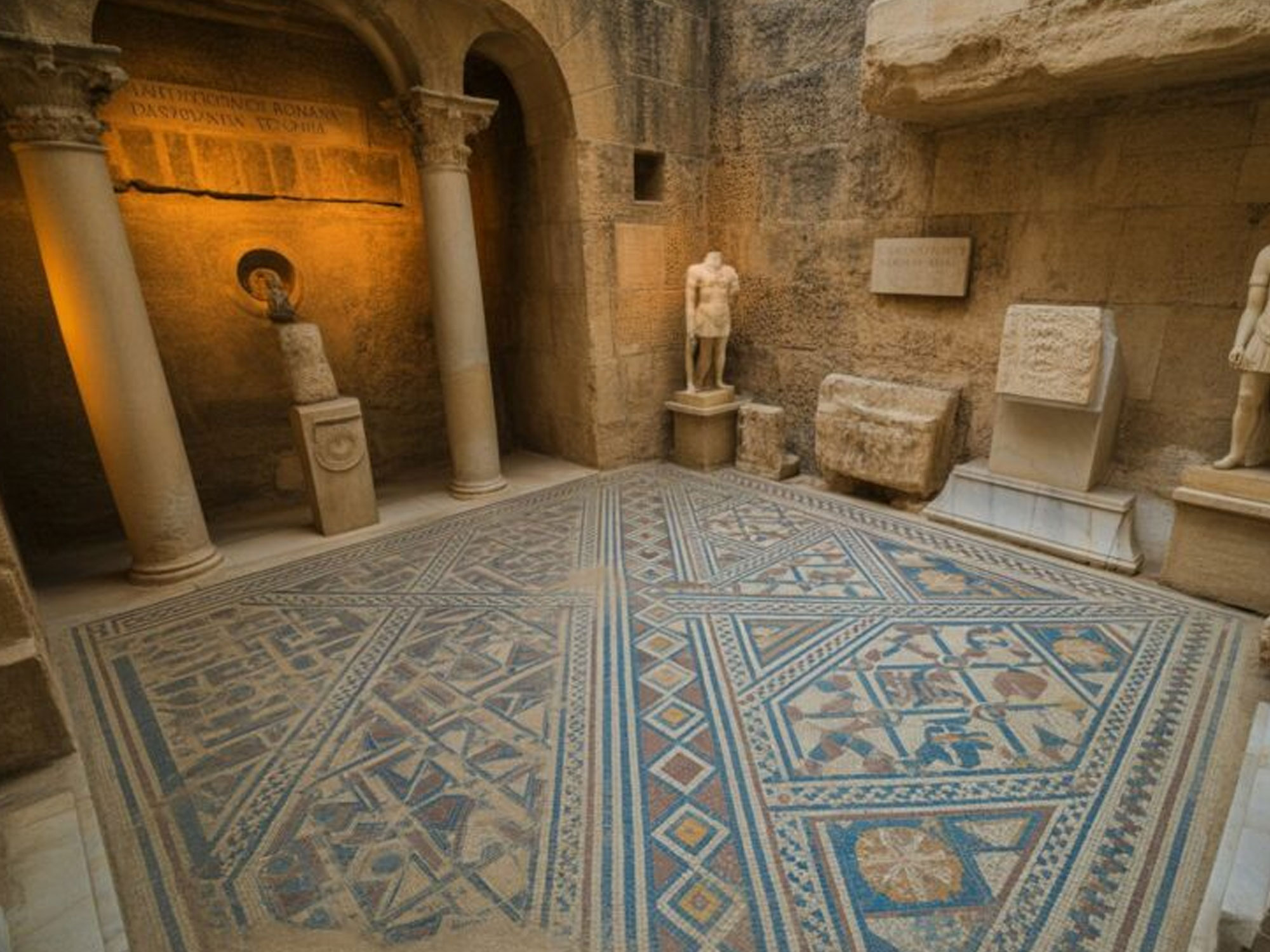
Bringing the atmosphere of a historic fortress into a modern dwelling requires a careful balance of elemental materials. Homeowners are moving away from sterile modernism and opting instead for the rich textures reminiscent of the medieval Castrum Maris.
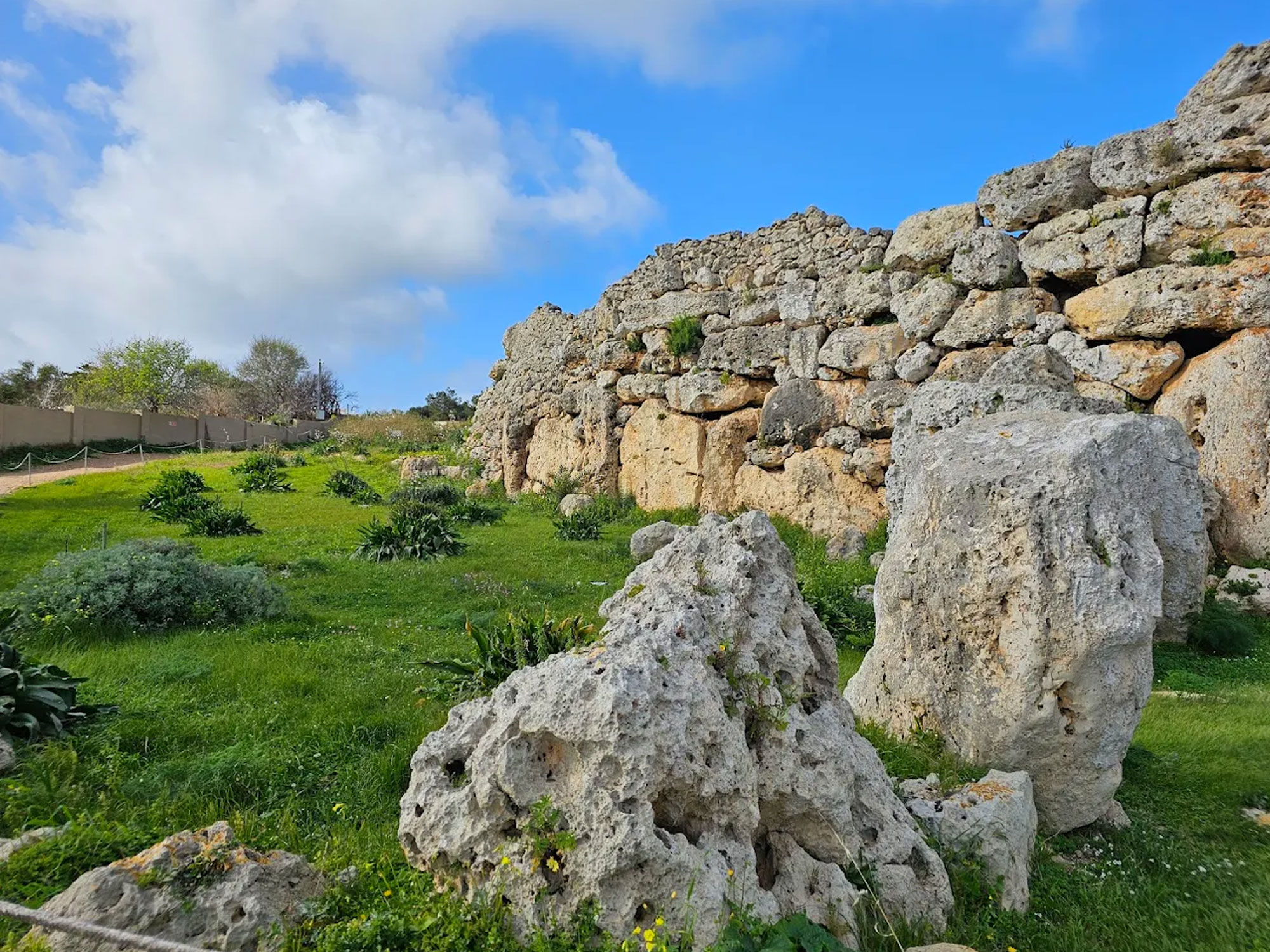
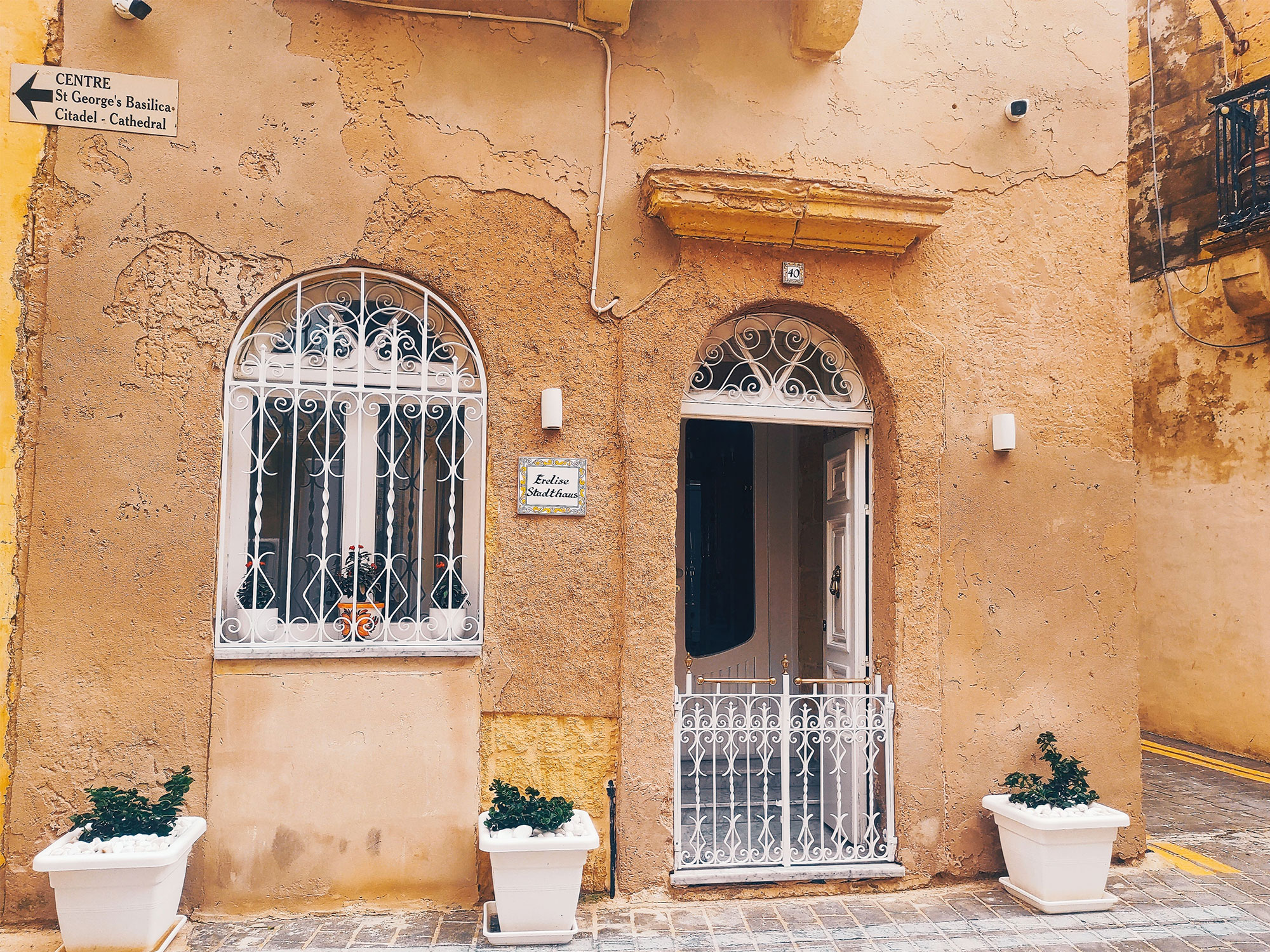
Exposed globigerina limestone serves as a foundational element in these heritage inspired interiors. When paired with wrought iron fixtures and heavy timber beams, the raw stone creates an environment of enduring solidity. Local artisans craft bespoke furniture pieces that echo the robust functionality of the maritime legacy left behind by early European settlers.
The Interplay of Light and Shadow
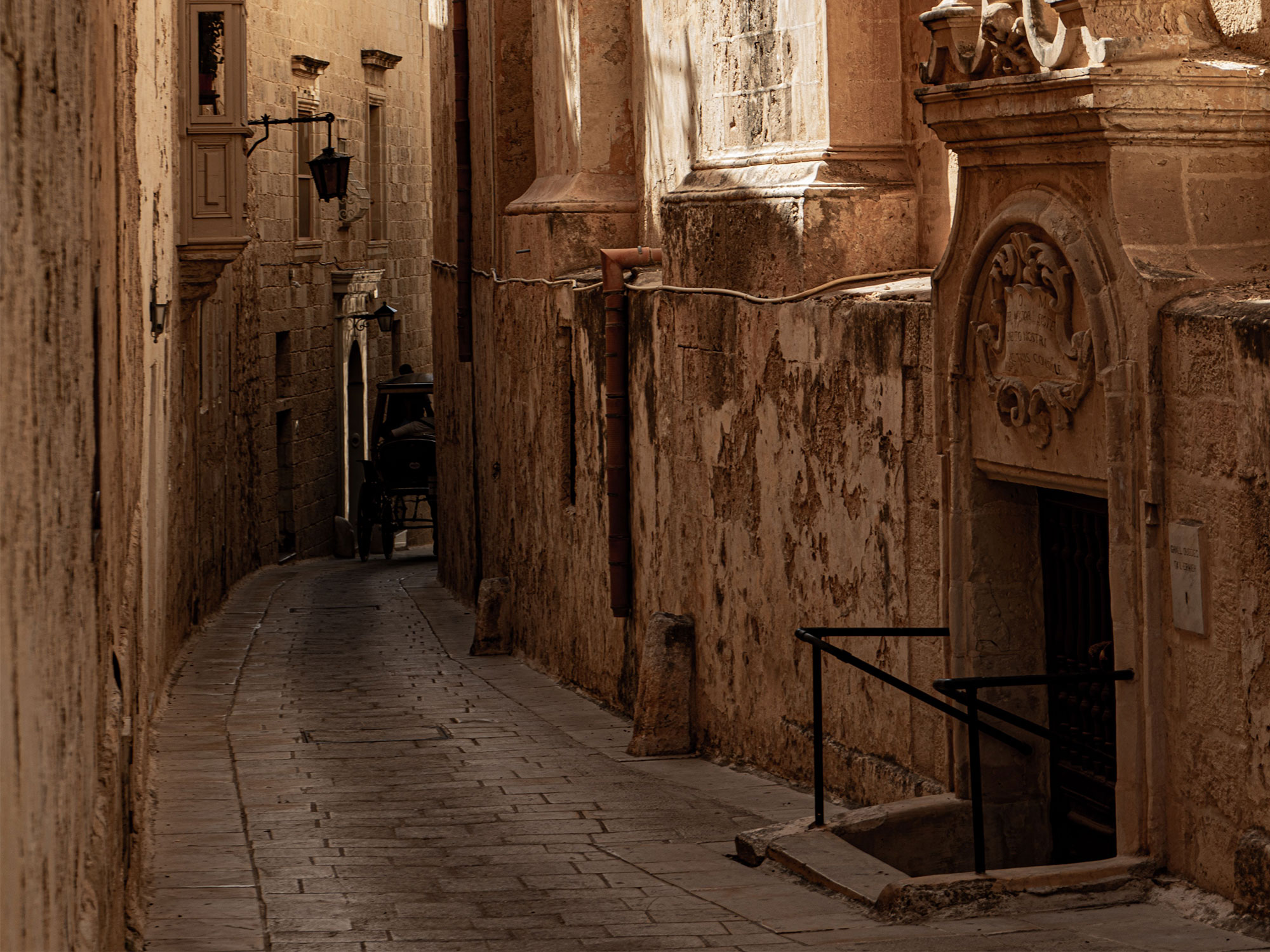
The architectural brilliance of Fort St. Angelo lies in its masterful handling of natural light. Deeply recessed windows and strategically placed open courtyards filter the intense Mediterranean sun to create cool and serene enclosures.
Interior designers replicate this effect by using textured plaster and lime based paints that absorb and reflect sunlight gently. Strategic interior archways allow daylight to trace deliberate shadows across living areas from morning until dusk. This careful manipulation of illumination transforms ordinary residential rooms into atmospheric sanctuaries.
Modern Homage to Medieval Roots
Designing a heritage inspired interior never means creating a literal museum replica. The most successful domestic spaces blend historical reverence with contemporary comfort.
Polished concrete floors often replace traditional flagstones to offer a seamless contrast against heavily textured walls. Minimalist seating provides a necessary visual break from the heavy masonry, allowing the architectural features themselves to command attention. Organic textiles in neutral tones further soften the rigid stone environment.
By drawing upon the aesthetic principles of the most iconic bastion in Malta, homeowners cultivate spaces that honour local heritage deeply. These interiors offer a daily connection to the architectural lineage of the island. They stand as a clear testament to the fact that proportion, material honesty, and light remain completely timeless.