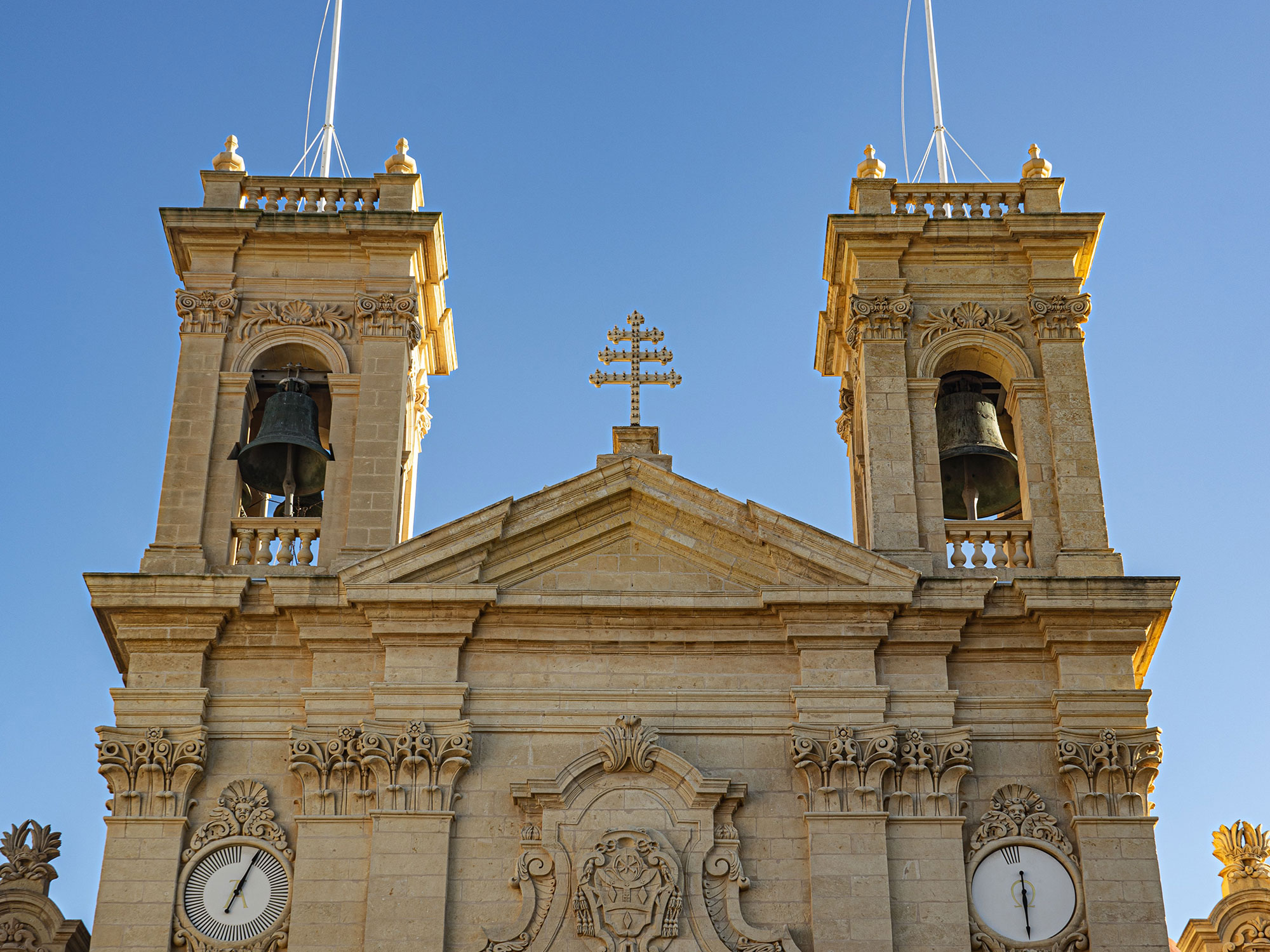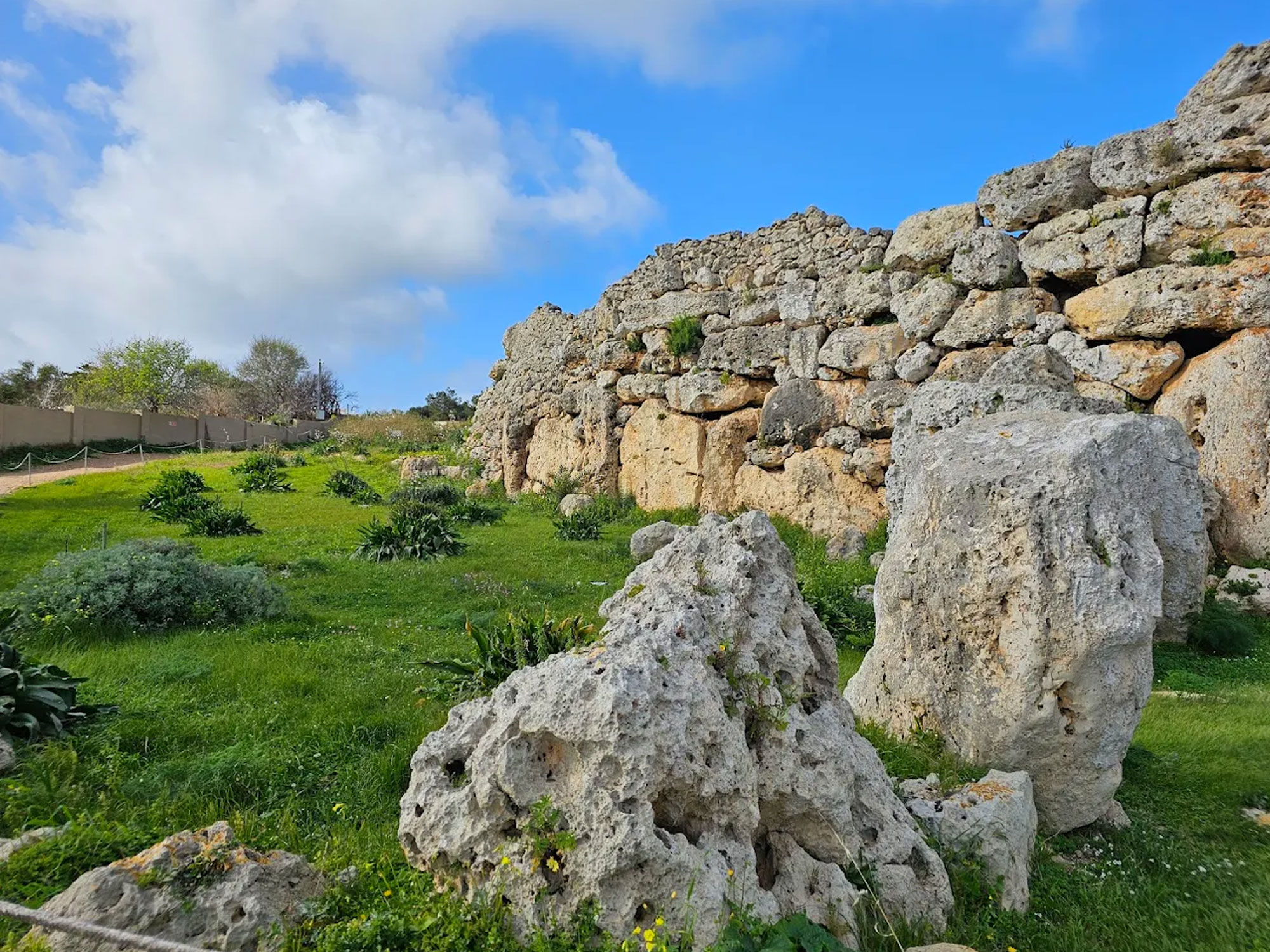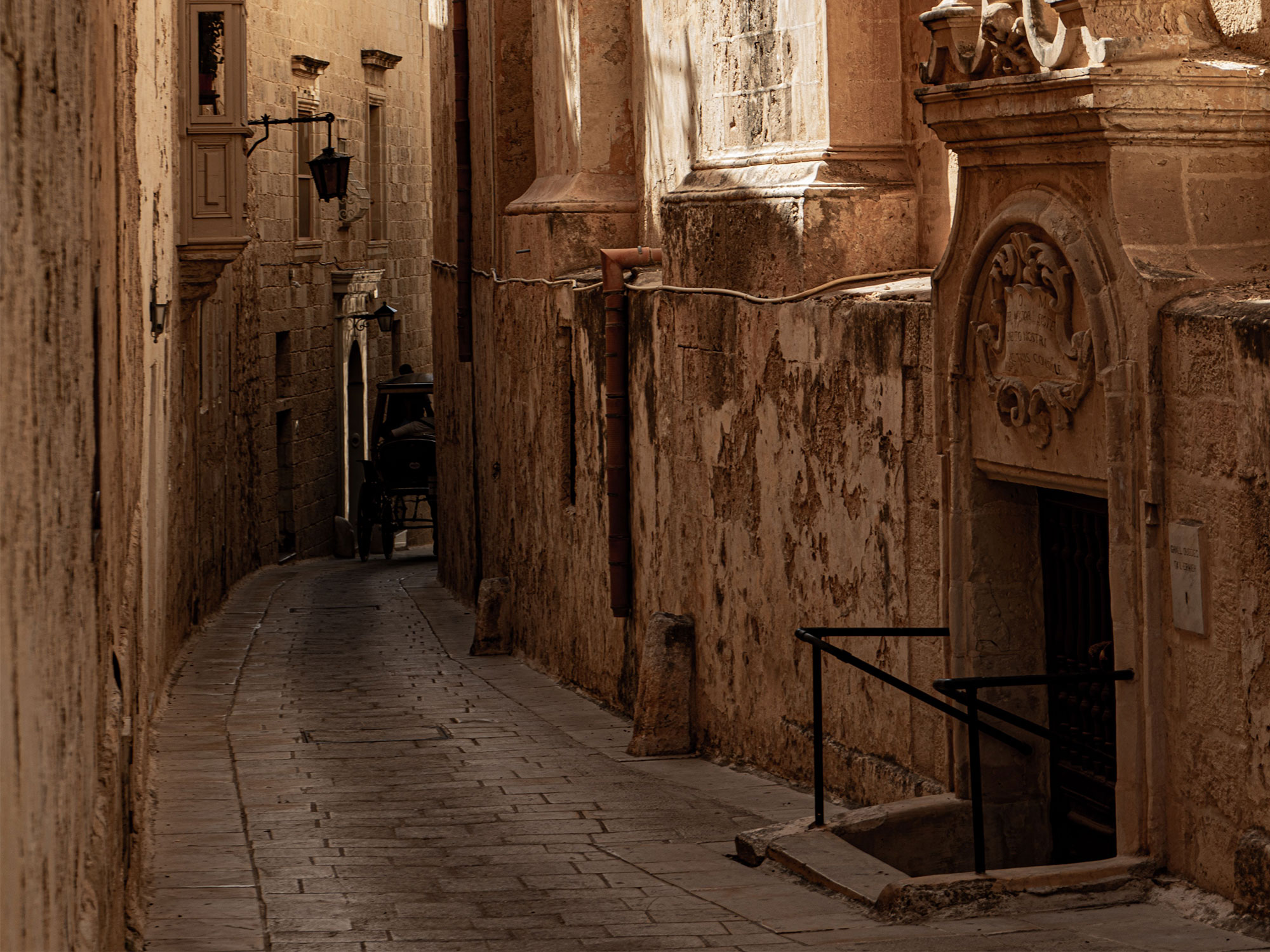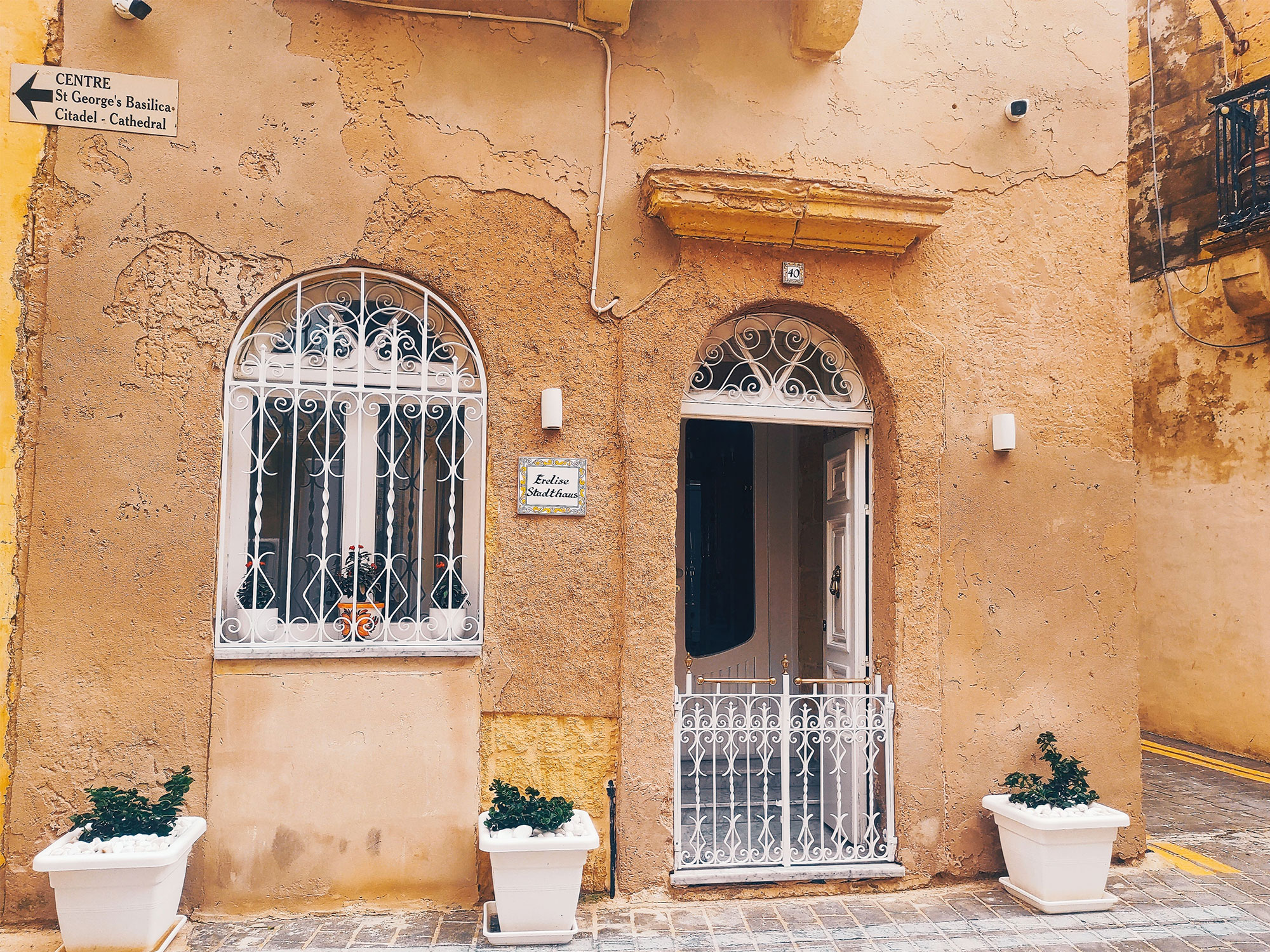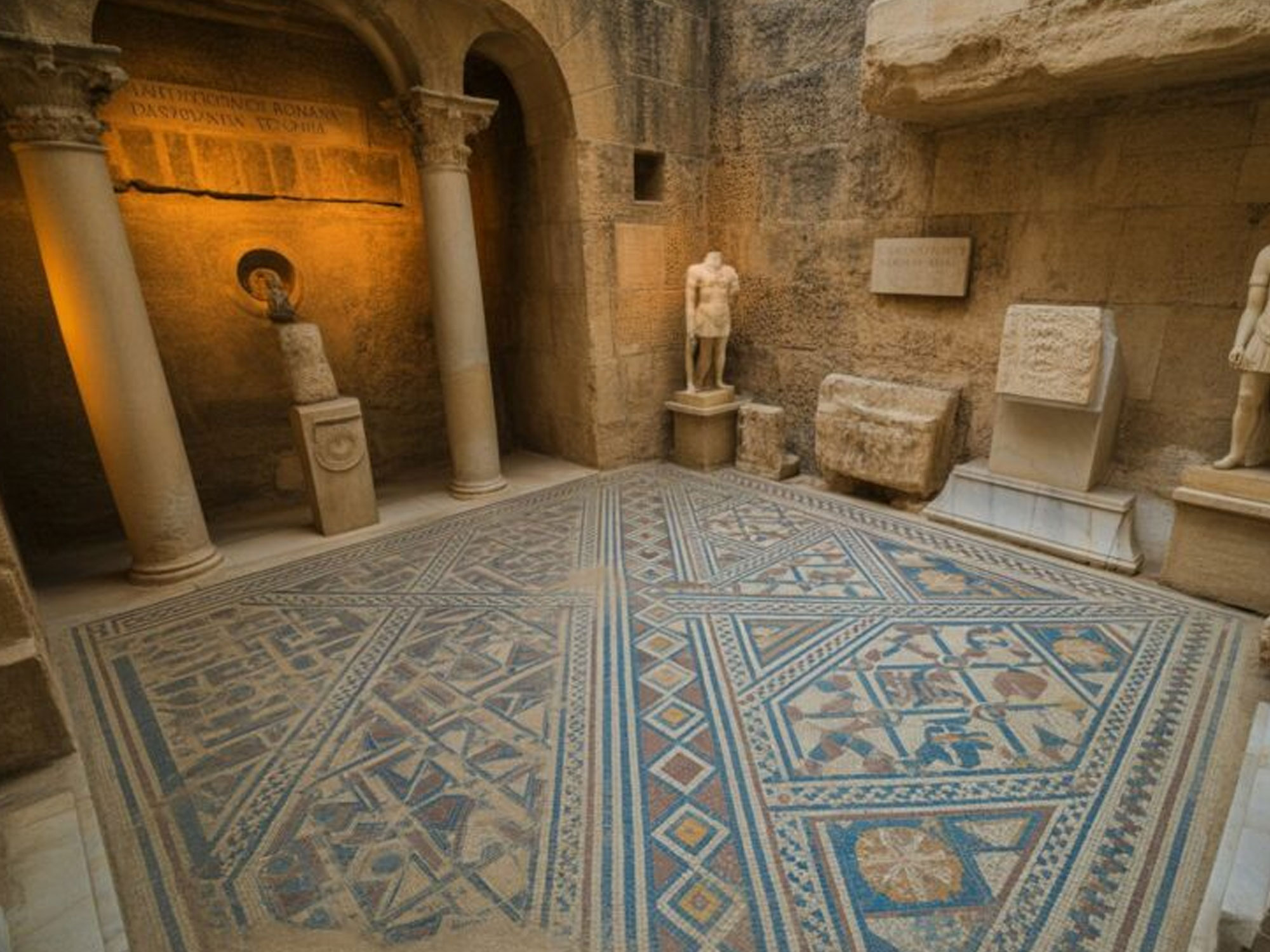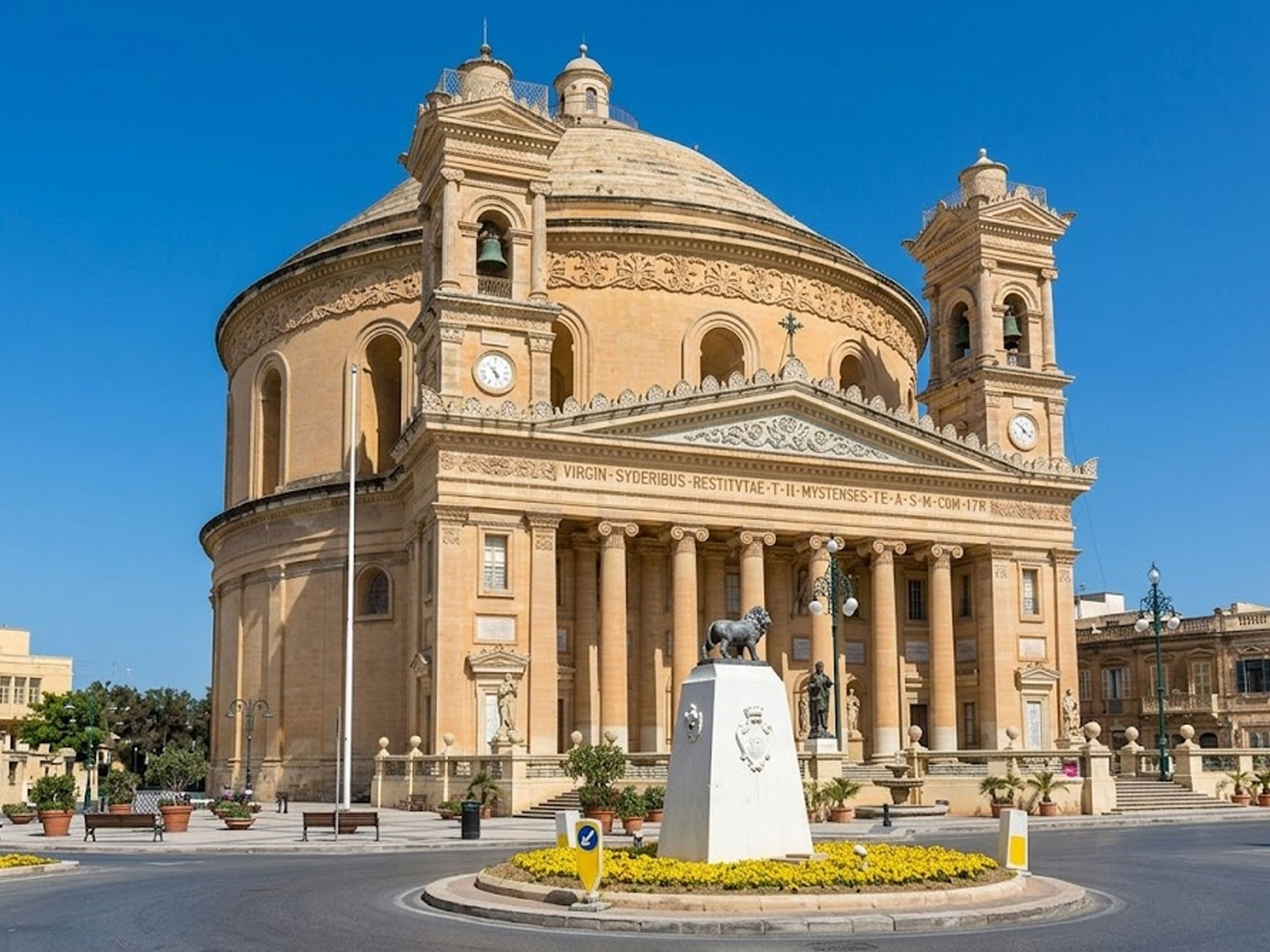






Rabat, situated just beyond the stone bastions of Mdina, holds a strong connection to the culinary heritage of the island. While ancient catacombs and Roman architecture naturally draw the eye of the historian, the true pulse of the town is often discovered in its kitchens. Here, heirloom recipes are living traditions passed down through generations with careful reverence.
The Ritual of the Feast
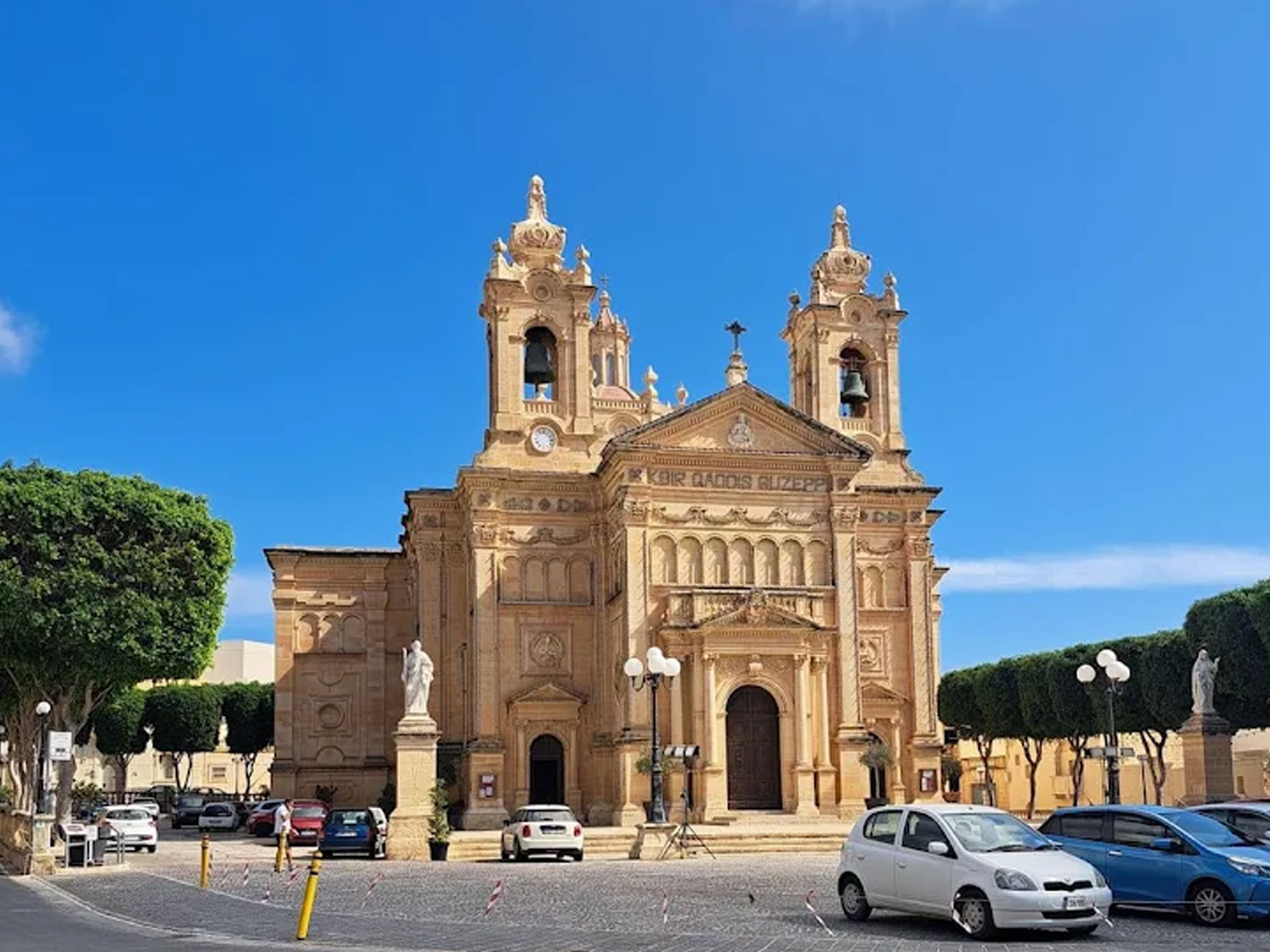
The rhythm of the local culinary calendar is perhaps most visible during the preparations for the Feast of St. Joseph. This revered celebration transforms the town and brings a renewed focus to traditional sweets and communal gathering. The preparation of zeppoli, the delicate fried pastry dough generously filled with sweet ricotta and crushed nuts, becomes a shared ritual among neighbours.
These pastries serve as an edible archive of Maltese culture. The meticulous process of crafting them connects the contemporary community directly with the hands of ancestors who perfected the very same techniques centuries ago. The feast days are defined by the scent of warm honey and frying dough drifting through the narrow streets of the village core.
The Art of Slow Simmering
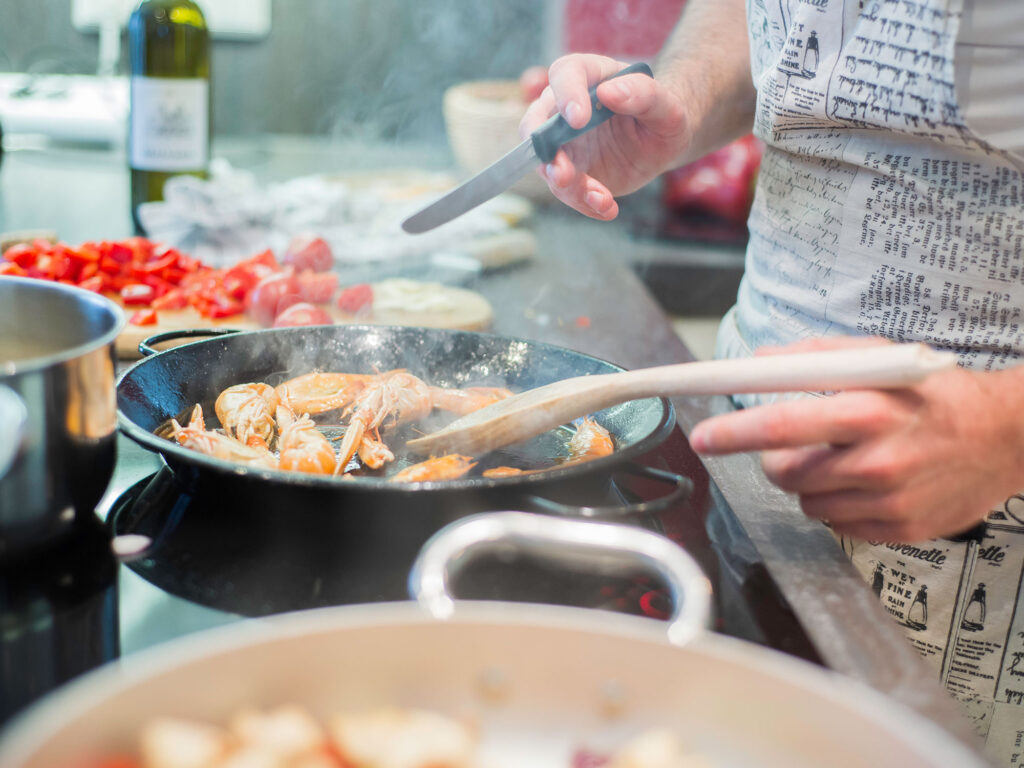
Beyond the festive sweets, the everyday kitchens of Rabat champion the deliberate art of Mediterranean cooking. In an era that frequently prioritises convenience over quality, local cooks maintain a steadfast loyalty to patience. Rich and aromatic dishes such as stuffat tal fenek rely entirely on slow cooking methods.
Cooks draw deep flavours from local red wine, garlic, root vegetables, and wild thyme gathered from the surrounding countryside valleys. This methodical approach to food preparation mirrors the grounded and unhurried nature of village life itself. The ingredients tell a story of the local terrain by celebrating the agricultural resilience of the Maltese farmer.
Dining in these historic settings provides an immersive cultural experience. Residents and visitors alike sit down to meals that reflect the genuine hospitality of the Mediterranean. It is a space where food acts as a natural bridge between the historical landscape and contemporary social life.
Preserving the Gastronomic Identity
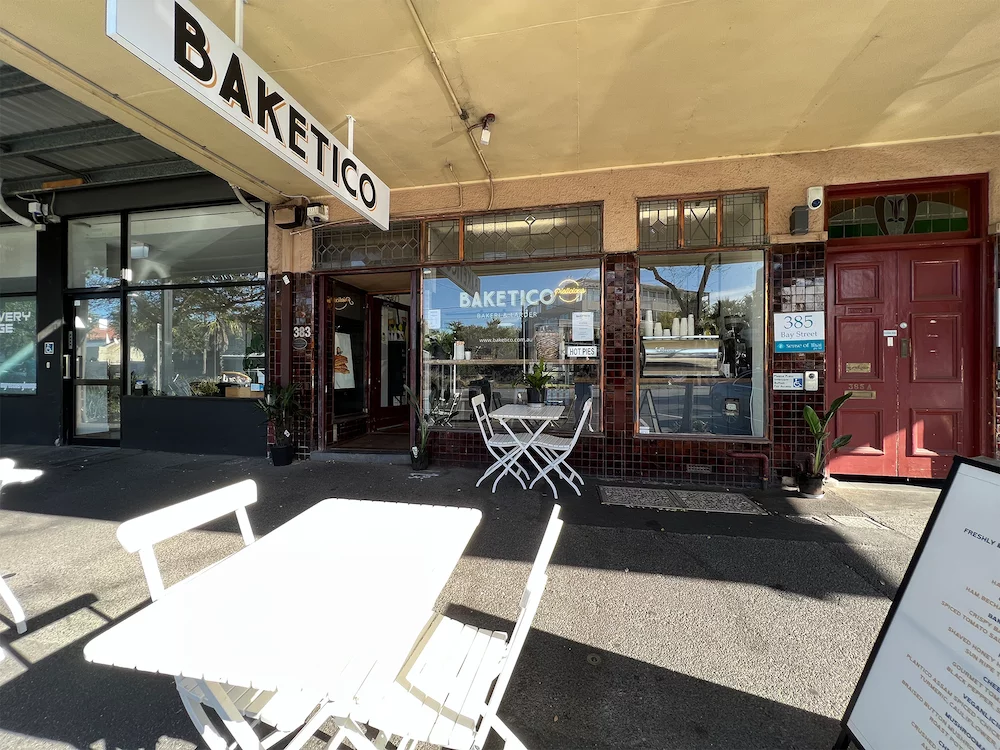
The continued vitality of the traditional kitchen in Rabat is a clear reflection of a deep respect for heritage. Modern local eateries and dining establishments within the town have begun to embrace these ancient formulas. They are elevating rustic family dishes into refined culinary experiences without losing their authentic soul.
The preservation of these family recipes goes far beyond mere nostalgia. It is an active and daily choice to keep the authentic flavours of the Maltese Islands alive. By choosing to honour the culinary wisdom of the past, the town ensures that the warmth of traditional Maltese living remains vividly present.